Our Manufacturing Capabilities
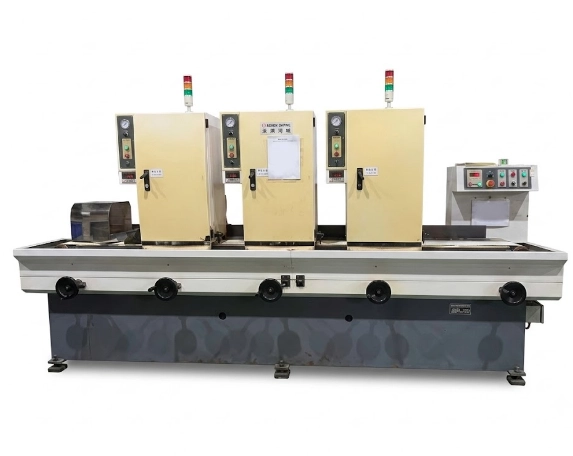
Utilizing the conveyor belt and 3-stage heads for continuous coarse-to-fine grinding of blades in mass production. Continuously applying coolant to prevent overheating (loss of hardness) while achieving a smooth, polished finish.
Turning pivot screws and fastener and machining tooling components.
Milling slots, steps, or counterbores on specific parts of specialized scissors (e.g., industrial, pipe cutter, heavy-duty shears).
High-precision grinding of the inner blade surface (the ride line) and the cutting edge, which critically determines the sharpness and bite of the scissors.
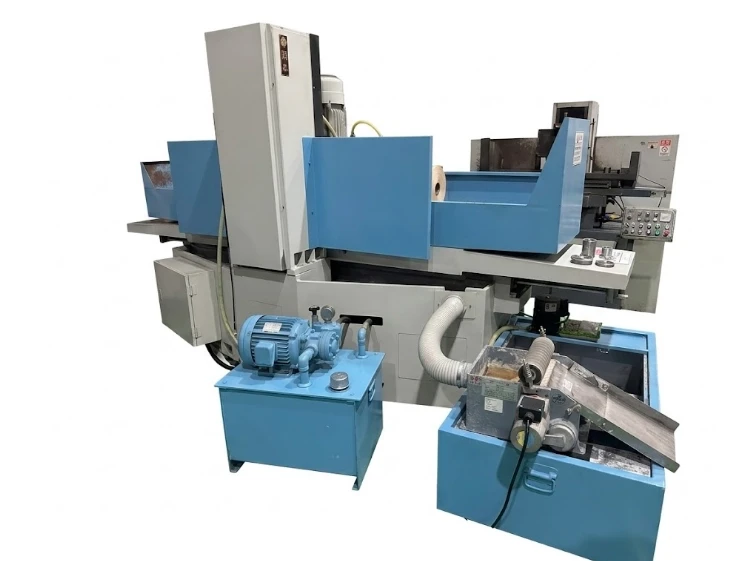
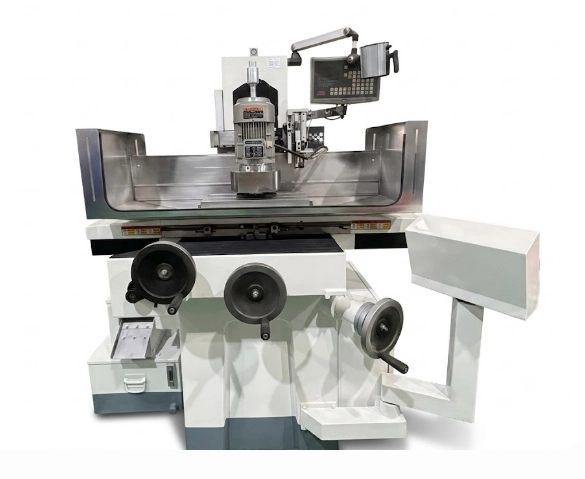
Precision grinding the base surface of the scissor blades to ensure uniform thickness and exceptional flatness. Removing oxide scale or impurities post-heat treatment to enhance surface smoothness and quality.
Joining the two scissor blades together and securing them by riveting the central pivot pin.
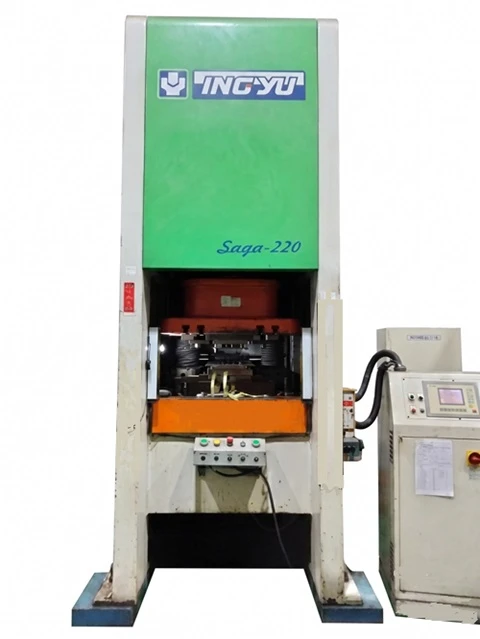
Punching the center pivot hole for assembly and forming or beveling specific areas of the blade.
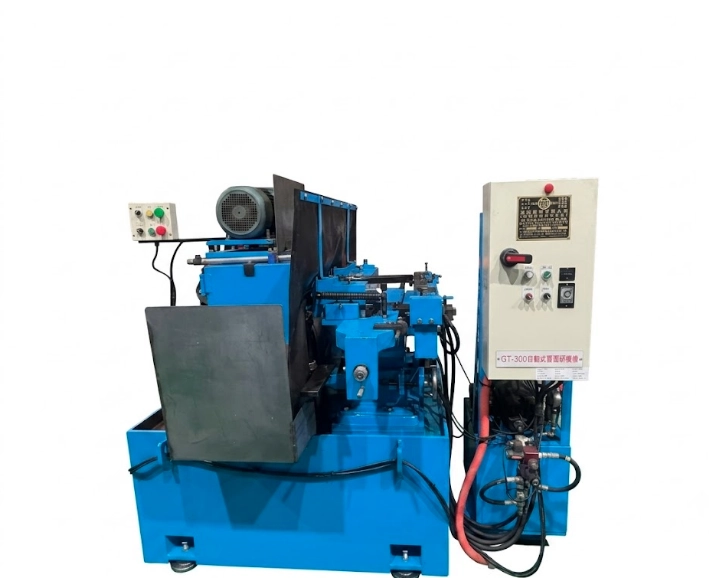
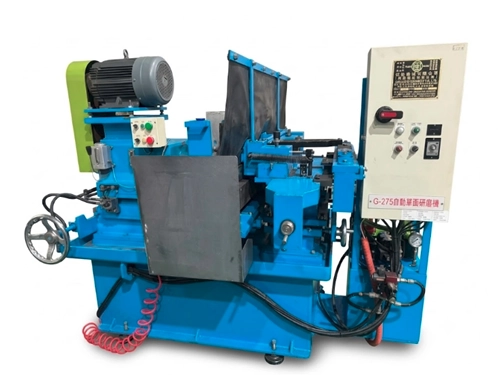
Blade surface flat grinding and fine sharpening. It automatically grinds the side or bevel of the stainless steel blade to ensure flatness and provide a sharp edge.
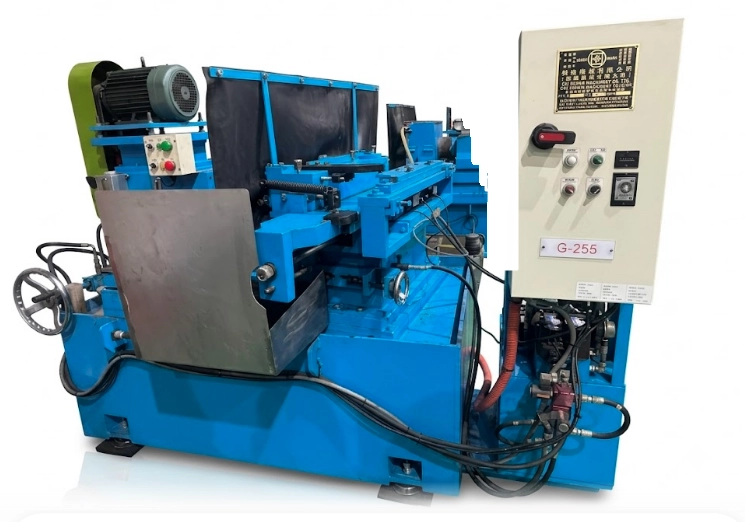
Single-side bevel grinding (initial sharpening). It precisely grinds the flat single side of the stainless steel blade to create the cutting bevel and the edge.
Blade serration grinding. It precisely grinds micro-serrations onto the stainless steel cutting edge to grip objects and prevent slipping during cutting.
Blade curving. It bends the stainless steel blade slightly inward to ensure the two blades maintain precise contact overlap while cutting.
It uses rollers to compress the steel sheets to ensure accurate thickness and surface flatness.
Pivot hole drilling and tapping. It drills the center hole and cuts internal threads into the stainless steel blade for the assembly screw.
Stainless steel blade blanking. It uses high-pressure dies to quickly punch out the initial scissor blade blanks from stainless steel coils or sheets.
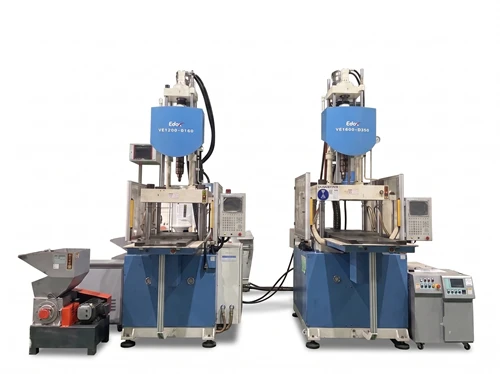
Insert molding and handle overmolding. It secures the stainless steel blade in the mold and injects plastic directly around the tang to form an integrated handle.